The Benefits of Including Yoga in Exercise Regimens
Flexibility That Fuels Performance
Range of motion that unlocks lifts and strides
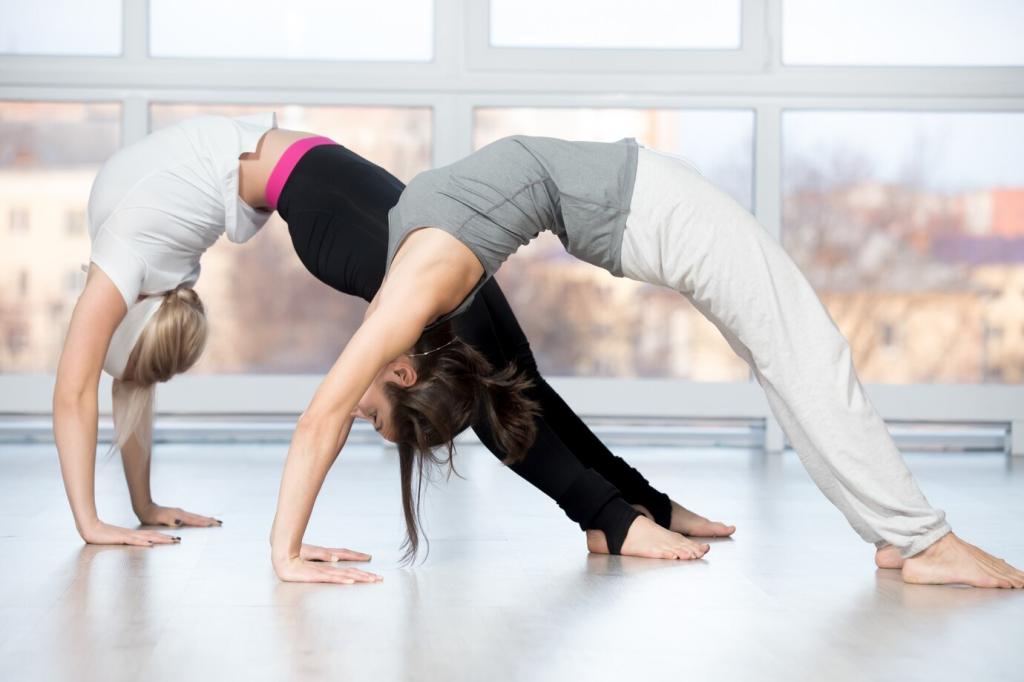
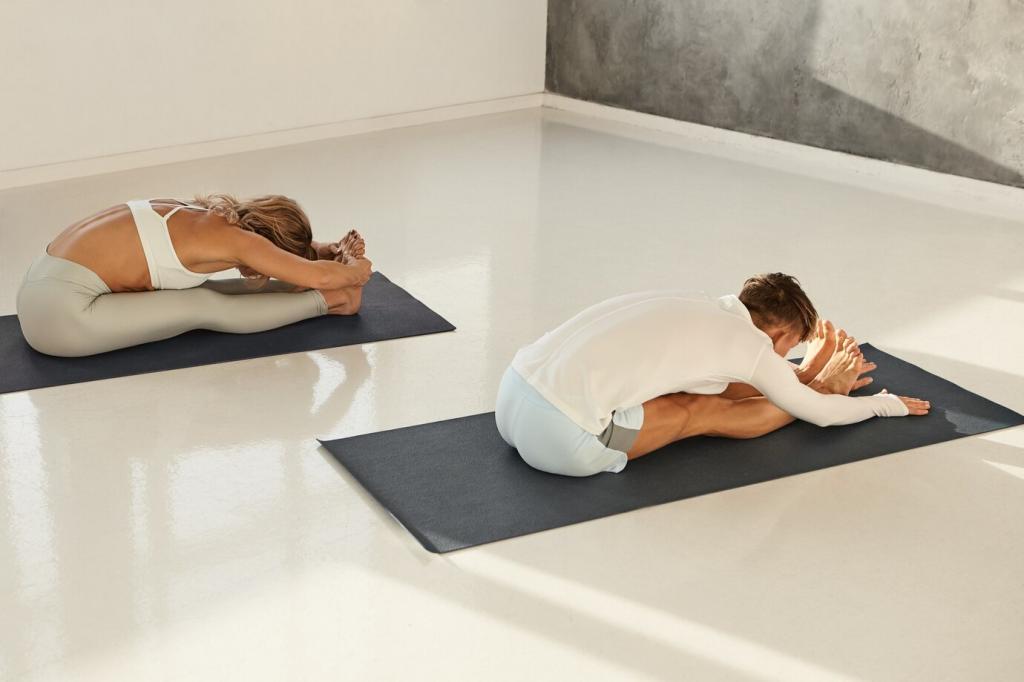
Flexible hamstrings, open hips, and mobile shoulders let you sink deeper into squats, hinge efficiently in deadlifts, and press overhead without pinching. Yoga builds that capacity safely, session by session, so your primary training feels smoother, stronger, and more controlled across every rep and stride.
Unlike quick toe touches, mindful flows pair breath with movement, lubricating joints and warming tissues while reinforcing end-range control. This blend of mobility and stability means your warm-ups do more than stretch; they teach usable positions that translate directly into cleaner technique and resilient movement patterns.
Before my first 5K of spring, my calves felt like braided rope. Ten minutes of sun salutations and ankle circles later, my stride softened, cadence steadied, and the finish line arrived with surprising ease. Try it this week and tell us how your legs respond.
Many programs overwork push or quad-dominant patterns. Yoga balances the ledger with scapular stability, posterior chain engagement, and hip abductor activation. The result is smoother movement and fewer compensations when you bench, row, jump, or land under fatigue during demanding sessions.
Holding planks, chair pose, and warrior variations builds deep endurance in stabilizers you rarely isolate under a bar. Time under tension trains tendons and connective tissues to share load intelligently, so your joints feel supported through heavy days and unpredictable real-life efforts.
Slow nasal breathing and longer exhales nudge the nervous system toward rest and digest, improving heart rate variability and accelerating repair. When you finish a hard interval day, five calming minutes can tilt your physiology from grind back to growth, reducing next-day soreness noticeably.
Recovery and Injury Prevention
Gentle twists, low lunges, and supported folds encourage lymphatic flow and venous return while hydrating fascia. That means nutrients in and waste out, more efficiently. Your muscles feel replenished rather than puffy and stuck, so you return to training with real freshness, not just stubborn grit.
Breathwork for Endurance and Control
Training the diaphragm and ribs to move fully reduces accessory neck tension and boosts oxygen uptake. On longer efforts, that efficiency feels like a quieter heart rate and steadier pacing. Over time, you may notice relaxed shoulders and fewer stitches as distance and speed both improve.
Two minutes of stillness, a simple intention, and a steady gaze can replace jitters with purpose. Athletes report fewer missed cues and smoother unracking when they treat the first breath like the first rep. Try it before your next big lift and share what changed.
Cortisol downshift, better sleep, better training
Evening mobility and gentle breath can lower stress, ease rumination, and set the stage for deeper sleep. Sleep is where tissue repair, memory consolidation, and hormone regulation thrive, supporting lean mass and drive. Comment if you want us to send a simple nightly routine.
Community accountability keeps momentum
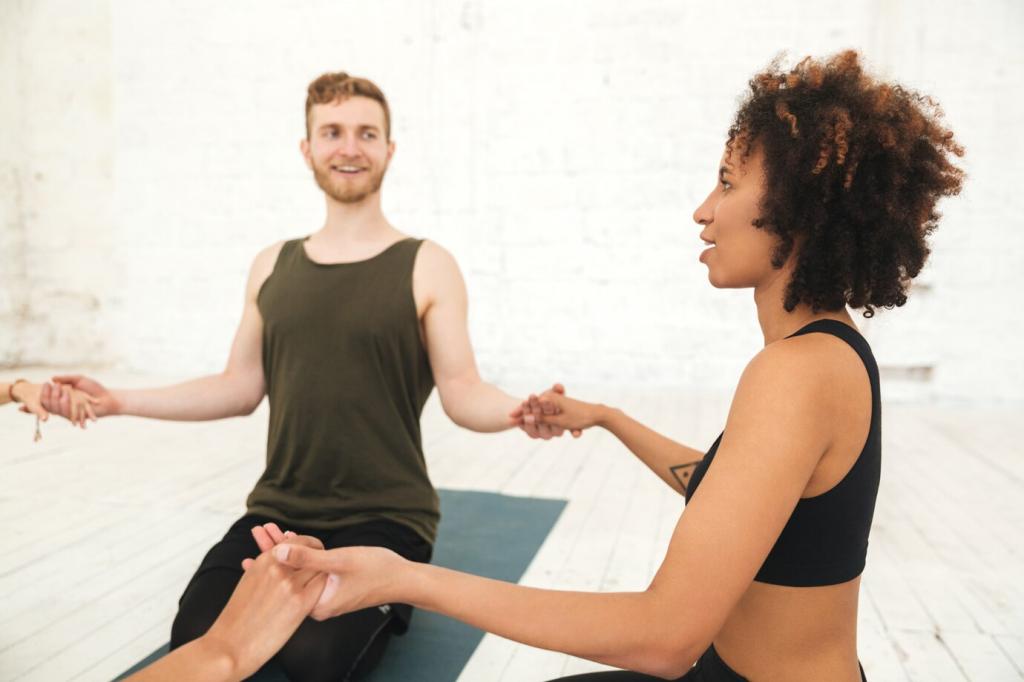
Rolling out a mat signals commitment, but community sustains it. Sharing streaks, swapping sequences, and celebrating small wins builds momentum. Reply with your top barrier to consistency and we will crowdsource solutions, turning individual resolve into a supportive circle that keeps showing up.